
Evaluating the Adoption of Expert Systems, Inventory Management Practices and Digital Readiness in Nigerian Pharmaceutical Retail Organizations
DOI:
https://doi.org/10.33003/fjs-2026-1016-5564Keywords:
Expert Systems, Pharmaceutical Inventory Management, Digital Readiness, Technology Adoption, TAM, TOE, UTAUT, Machine Learning, Healthcare Supply ChainAbstract
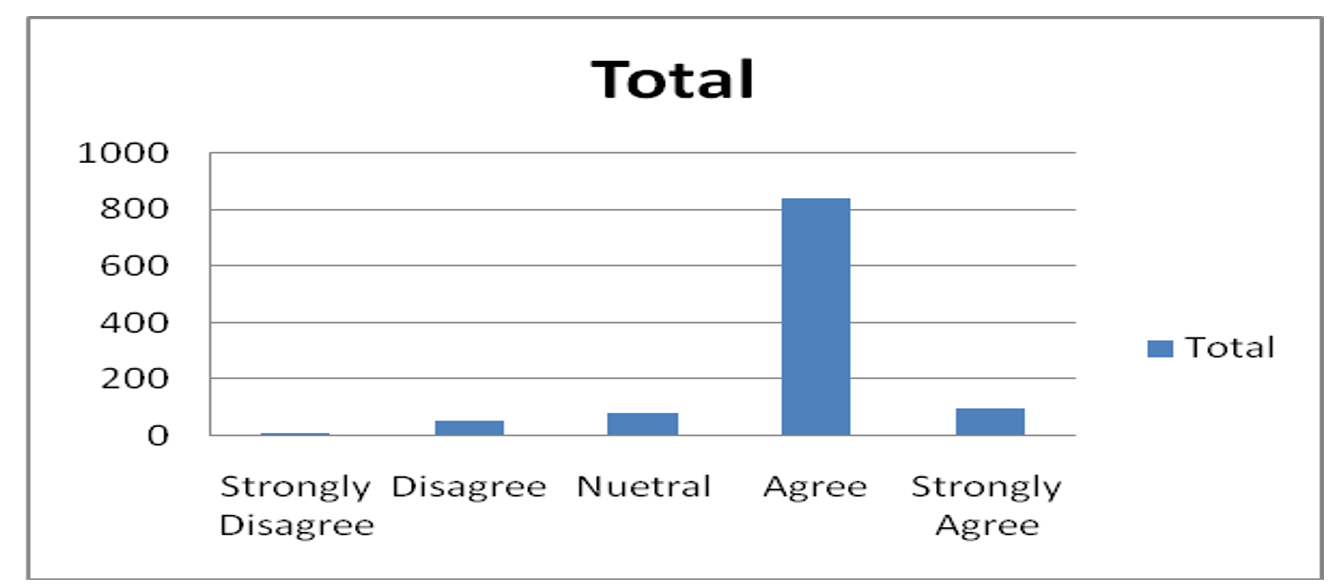
Pharmaceutical inventory management is vital for ensuring medicine availability, patient safety, and operational sustainability. However, pharmaceutical retail organizations in developing economies continue to experience persistent stock-outs, drug expiries, and supplier delivery delays due to reliance on manual and semi-digital inventory systems. Despite the growing potential of Expert Systems (ES), empirical evidence on organizational readiness and behavioural intention toward ES adoption remains limited. This study investigates inventory management challenges and evaluates the organizational, technological, and behavioural factors influencing Expert System adoption in Nigerian pharmaceutical retail organizations. The novelty of this study lies in the development and empirically the validation of an integrated Expert System framework that combines technology adoption determinants with intelligent inventory optimization. Grounded in the Technology Acceptance Model (TAM), Technology–Organization–Environment (TOE) framework, and Unified Theory of Acceptance and Use of Technology (UTAUT), a cross-sectional survey of 293 pharmacy professionals was analyzed using descriptive and inferential statistics. Findings reveal high levels of stock-outs (Mean = 3.70), recurring drug expiry (Mean = 3.59), and supplier delivery delays (Mean = 3.77), indicating persistent operational inefficiencies. Conversely, strong digital readiness (Mean = 3.65), organizational willingness (Mean = 4.00), perceived decision accuracy improvement (Mean = 4.15), and behavioural intention toward ES adoption (Mean = 4.30) indicate a favourable implementation environment. The proposed framework integrates automated stock alerts, machine learning–based demand forecasting, and rule-based decision support to improve medicine availability, reduce inventory waste, enhance operational efficiency, and advance technology adoption theories within pharmaceutical retail supply chains in developing economies.
References
Abdurrahman, A., Gustomo, A., & Prasetio, E. A. (2024). Impact of dynamic capabilities on digital transformation and innovation to improve banking performance: A TOE framework study. Journal of Open Innovation: Technology, Market, and Complexity, 10(1), 100215, https://doi.org/10.1016/j.joitmc.2024.100215
Ali, O., Shrestha, A., Osmanaj, V., & Muhammed, S. (2020). Cloud computing technology adoption: an evaluation of key factors in local governments. Information Technology & People, 34(2), 666– 703, https://doi.org/10.1108/ITP-03-2019-0119
Barkley, E., & Jokonya, O. (2024). Factors affecting SMEs emerging technologies adoption in developing countries: A literature review. Procedia Computer Science, 239, 1966–1973, https://doi.org/10.1016/j.procs.2024.06.381
Bening, S. A., Dachyar, M., Pratama, N. R., Park, J., & Chang, Y. (2023). E-Commerce technologies adoption strategy selection in Indonesian SMEs using the decision-makers, technological, organizational and environmental (DTOE) framework. Sustainability, 15(12), 9361,
https://doi.org/10.3390/su15129361
Bhatiasevi, V., & Naglis, M. (2018). Elucidating the determinants of business intelligence adoption and organizational performance. Information Development, 36(1), 78–96, https://doi.org/10.1177/0266666918811394
Choi, T. M., Wallace, S. W., & Wang, Y. (2018). Big data analytics in operations management. Production and Operations Management.
Dwivedi, Y. K., Hughes, L., Ismagilova, E., Aarts, G., Coombs, C., Crick, T., Duan, Y., Dwivedi, R., Edwards, J., Eirug, A., Galanos, V., Ilavarasan, P. V., Janssen, M., Jones, P., Kar, A. K., Kizgin, H., Kronemann, B., Lal, B., Lucini, B., Williams, M. D. (2021). Artificial Intelligence (AI): Multidisciplinary perspectives on emerging challenges, opportunities, and agenda for research, practice and policy. International Journal of Information Management, 57, 101994. https://doi.org/10.1016/j.ijinfomgt.2019.08.002
Federal Ministry of Health, Nigeria. (2022). National digital health strategy 2021–2025. Federal Ministry of Health, Abuja, Nigeria.
Filipe, P., Ruivo, P., & Oliveira, T. (2023). Assessing machine learning adoption at the firm level: The moderating effect of the environmental context. Procedia Computer Science, 219, 1034–1042, https://doi.org/10.1016/j.procs.2023.01.381
Glikson, E., & Woolley, A. W. (2020). Human trust in artificial intelligence: Review of empirical research. Academy of Management Annals, 14(2), 627–660. https://doi.org/10.5465/annals.2018.0057
Han, M., & Han, M. (2022). Research Trend of the Unified Theory of Acceptance and Use of Technology (UTAUT): A Bibliometric and Content Analysis. Sustainability, 14(1), 10.
Hassan, A., Elhoseny, M., Singh, A. K., & Hassanien, A. E. (2024). Artificial intelligence applications in healthcare supply chains: Opportunities and challenges. Healthcare Analytics, 5, 100312. https://doi.org/10.1016/j.health.2024.100312
Himawan, E. N., Djuwaini, A., & Darmawan Putra, A. (2024). Adoption of E-Commerce in small and medium-sized enterprises in Bogor district. International Journal of Science, Technology & Management, 5(1), 211–219, https://doi.org/10.46729/ijstm.v5i1.1050
Jöhnk, J., Weißert, M., & Wyrtki, K. (2021). Ready or not, AI comes—An interview study of organizational AI readiness factors. Business & Information Systems Engineering, 63, 5–20. https://doi.org/10.1007/s12599-020-00676-7
Kam, A. J. Y., & Tham, S. Y. (2022). Barriers to e-commerce adoption: Evidence from the retail and food and beverage sectors in Malaysia. Asian-Pacific Economic Literature, 36(2), 32–51, https://doi.org/10.1111/apel.12365
Kelle, P., Woosley, J., & Schneider, H. (2012). Pharmaceutical supply chain specifics and inventory solutions. International Journal of Production Economics.
Khatib, R., Alzoubi, H., Alshurideh, M., & Al Kurdi, B. (2024). Digital transformation and intelligent inventory management in healthcare supply chains: A systematic review. Healthcare, 12(3), 421. https://doi.org/10.3390/healthcare12030421
Kourentzes, N., Barrow, D. K., & Petropoulos, F. (2022). Forecasting with artificial intelligence and machine learning: Methods and applications. International Journal of Forecasting. This source is useful for supporting the argument concerning machine-learning-based demand forecasting and predictive accuracy.
Kumar, A., & Shankar, A. (2024). Building a sustainable future with enterprise metaverse in a data-driven era: A technology-organization-environment (TOE) perspective. Journal of Retailing and Consumer Services, 81, 103986, https://doi.org/10.1016/j.jretconser.2024.103986.
Li, J., & Zhang, Y. (2025). Determinants of Healthcare Technology Adoption: A Systematic Review and Meta-Analysis Using an Integrated UTAUT and Task-Technology Fit Model. Journal of Medical Internet Research, 27, e64524.
Marangunić, N., & Granić, A. (2021). Technology acceptance model: A literature review from 1986 to 2021. Universal Access in the Information Society, 20, 1–15. https://doi.org/10.1007/s10209-020-00772-5
Mohamed, N., & El-Saber, G. (2023). Pharmaceutical inventory management systems and healthcare supply chain performance: A review of digital solutions. Journal of Pharmaceutical Policy and Practice, 16(1), 118. https://doi.org/10.1186/s40545-023-00589-4
Muafi, M., Religia, Y., & Ramawati, Y. (2024). Identification of green E-Commerce adoption among SMEs based on the TOE framework with demographics as control variables. In P. Ordóñez de Pablos, M. Anshari, & Almunawar, M. (Eds), Harnessing green and circular skills for digital transformation, PA: IGI Global Scientific Publishing, 108–126, https://doi.org/10.4018/979-8-3693-2865-1.ch007
Mustaffa, Noorfa Haszlinna and Potter, Andrew Thomas (2009). Healthcare supply chain management in Malaysia: a case study. Supply Chain Management: An International Journal 14 (3), pp. 234-243. 10.1108/13598540910954575
Ninčević Pašalić, I., & Ćukušić, M. (2024). Understanding E-participation adoption: Exploring technological, organizational, and environmental factors. Technological Forecasting and Social Change, 207, 123633, https://doi.org/10.1016/j.techfore.2024.123633.
OECD. (2023). Health at a glance 2023: OECD indicators. OECD Publishing. https://doi.org/10.1787/7a7afb35-en
Oliveira, T., & Martins, M. F. (2011). Literature review of information technology adoption models at firm level. The Electronic Journal of Information Systems Evaluation, 14(1), 110–121.
Qalati, S. A., Li, W., Ahmed, N., Mirani, M. A., & Khan, A. (2021). Examining the factors affecting SME performance: The mediating role of social media adoption. Sustainability, 13(1), 1–24, https://doi.org/10.3390/su13010075.
Religia, Y. (2022). The effect of environmental pressures and the COVID-19 pandemic on the adoption of TikTok by MSMEs: Can MSME engagement moderate? Journal of International Conference Proceedings, 5(5), 285–300, https://doi.org/10.32535/jicp.v5i5.2031.
Religia, Y., Surachman, S., Rohman, F., & Indrawati, N. (2021). E-commerce adoption in SMEs: A literature review. Proceedings of the 1st International Conference on Economics Engineering and Social Science, Bekasi, Indonesia, 1-9, https://doi.org/10.4108/eai.17-7- 2020.2302969.
Scherer, R., Siddiq, F., & Tondeur, J. (2022). The technology acceptance model (TAM): A meta-analytic structural equation modeling approach. Computers & Education, 173, 104271.
Schwarz, A. and Chin, W. (2007), “Looking forward: toward an understanding of the nature and definition of IT acceptance”, Journal of the Association for Information Systems, Vol. 8 No. 4, pp. 230-243.
Secinaro, S., Calandra, D., Secinaro, A., Muthurangu, V., & Biancone, P. (2021). The role of artificial intelligence in healthcare: A structured literature review. BMC Medical Informatics and Decision Making, 21, 125. https://doi.org/10.1186/s12911-021-01488-9
Sharifian, R., & Nematollahi, M. (2023). Factors influencing the successful adoption of health information systems: A UTAUT-based study. Digital Health, 9, 1-14.
Sharma, R. (2021). Demand forecasting and inventory optimization in healthcare supply chains: Emerging digital approaches. International Journal of Healthcare Management, 14(4), 1267–1278. https://doi.org/10.1080/20479700.2020.1842376
Sousa, V., & Ramos, C. (2024). Extending the unified theory of acceptance and use of technology (UTAUT): A review of theoretical maturity in information systems research. International Journal of Information Management, 75, 1027-1045.
Tan, B., Gupta, S., Kumar, A., & Singh, R. (2024). Artificial intelligence-enabled pharmaceutical supply chain and inventory optimization: A systematic review. Computers in Biology and Medicine, 175, 108465. https://doi.org/10.1016/j.compbiomed.2024.108465
Tiwari, A. K., Marak, Z. R., Paul, J., & Deshpande, A. P. (2023). Determinants of electronic invoicing technology adoption: Toward managing business information system transformation. Journal of Innovation & Knowledge, 8(3), 100366, https://doi.org/10.1016/j.jik.2023.100366.
Tornatzky, L. G., & Fleischer, M. (1990). The Processes of Technological Innovation. MA, Lexington Books.
Toorajipour, R., Sohrabpour, V., Nazarpour, A., Oghazi, P., & Fischl, M. (2021). Artificial intelligence in supply chain management: A systematic literature review. Journal of Business Research, 122, 502–517. https://doi.org/10.1016/j.jbusres.2020.09.009
Venkatesh, V., Morris, M. G., Davis, G. B., & Davis, F. D. (2003). User acceptance of information technology. MIS Quarterly. Vol. 27 No. 3, pp. 425-478.
World Health Organization. (2021). Ethics and governance of artificial intelligence for health: WHO guidance. World Health Organization.
World Health Organization. (2022). Global report on health supply chain resilience. World Health Organization.
Yu, K. H., Beam, A. L., & Kohane, I. S. (2021). Artificial intelligence in healthcare. Nature Biomedical Engineering, 5, 719–731. https://doi.org/10.1038/s41551-021-00721-2
Downloads
Published
Issue
Section
Categories
License
Copyright (c) 2026 Abdurrahman Omoakhalen, Balogun Vincent Aizebeoje, Achekuogene Nihad Saliu, Audu Muhammed Luqman

This work is licensed under a Creative Commons Attribution 4.0 International License.


