
SAFETY EVALUATION, IN VITRO ANTIDIABETIC STUDY AND GC-MS PROFILING OF A FORMULATED POLYHERBAL SYRUP
DOI:
https://doi.org/10.33003/fjs-2026-1003-4727Keywords:
Polyherbal formulation, Antidiabetic, Syrup, LD50, GC-MS, Diabetes mellitusAbstract
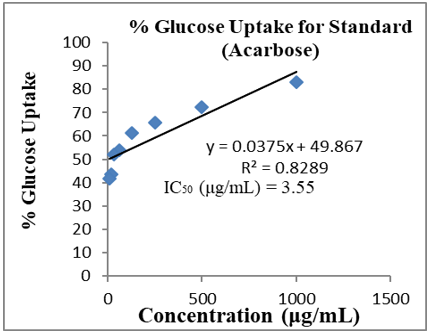
Diabetes mellitus remains a major metabolic disorder requiring safer and affordable therapeutic alternatives. This study evaluated the safety profile, in vitro antidiabetic activity, and phytochemical composition of a formulated polyherbal syrup(PHS)prepared from Vernonia amygdalina, Moringa oleifera, Zingiber officinale, Allium cepa, and Allium sativum. Aqueous extracts of onion, garlic, and ginger were obtained by decoction of 20 g powdered samples in 100 mL distilled water at 40 °C for 3 h, while fresh leaves of Moringa oleifera and Vernonia amygdalina were extracted by manual juice expression and filtration. The extracts were combined with honey to produce the polyherbal syrup. Acute toxicity evaluation in albino rats using oral doses of 1000–16000 mg/kg body weight revealed no mortality or visible signs of toxicity, indicating an LD₅₀ greater than 16000 mg/kg. Sub-acute toxicity studies conducted at doses of 25–400 mg/kg also showed no adverse behavioural or physiological changes. In vitro antidiabetic assays revealed that PHS is concentration-dependent. The PHS exhibited IC₅₀ values(µg/mL)of 8.88 for glucose uptake, 2.55 for α-amylase inhibition, and 3.50 for α-glucosidase inhibition, compared with the standard drug acarbose which showed IC₅₀ values of 3.55, 1.89, and 3.39 µg/mL respectively. Although the standard drug showed slightly higher potency, the PHS demonstrated comparable α-glucosidase inhibitory activity. GC–MS profiling revealed numerous bioactive phytochemicals including 2,3-dihydro-3,5-dihydroxy-6-methyl-4H-pyran-4-one, 5-hydroxymethylfurfural, thymine, n-hexadecanoic acid, and octadec-9-enoic acid. The combined presence of these compounds suggests possible synergistic pharmacological interactions responsible for the observed antidiabetic effects. These findings indicate that the formulated polyherbal syrup is safe and possesses promising antidiabetic potential.
References
Adefegha, S. A. and Oboh, G. (2012). Inhibition of key enzymes linked to type 2 diabetes and sodium nitroprusside-induced lipid peroxidation in rat pancreas by water extractable phytochemicals from some tropical spices. Pharmaceutical Biology, 50, 857–865.
Banerjee, R. (2012). Medicinal significance of furan derivatives: A Review. International Journal of Review Life Science, 2(1), 7-16.
Chau, C., Huang, Y. and Lee, M. (2003). In Vitro Hypoglycemic Effects of Different Insoluble Fiber-Rich Fractions Prepared from the Peel of Citrus Sinensis L. Journal of Agricultural and Food Chemistry, 51, 6623–6626.
Cirillo, V. P. (1962). Mechanism of glucose transport across the yeast cell membrane. Journal of Bacteriology, 84, 485–491.
Dauda, J. A., Ameh, E. M., Adaji, M. U., Ocheme, G. W. and Nayo, R. O. (2020). Nutritional Composition and Antioxidant Analyses of Ageratum conyzoides Whole Plant. International Journal of Scientific research Publication, 10(8), 922-928.
Dauda, J. A., Khan, M. E., Abdullahi, S., Jacob, A. D., Idowu, O. L., Owoyemi, W. I.,
Akor, J. A., Olupinyo, O. and Oteno. F. (2025). Physicochemical Properties, Phytochemical Contents, Antibacterial and Antioxidant Potentials of a Formulated Polyherbal Syrup. ChemClass Journal, 9(4), 261-276.
Farzaei, F., Morovati, M. R., Farjadmand, F. and Farzaei, M. H. (2017). A mechanistic review on medicinal plants used for diabetes mellitus in traditional persian medicine. Journal of Evidence-Based Complementary and Alternative Medicine, 22, 944–955.
Great, I. E., Princess, O. S., Agatha, N. J., Favour, O. O., Laura, I. I., Promise, O., Ajiri, R. O., Joy, E, Victor, O. I., Chinenye, F. O., Eunice, U., Jonathan, O., Miracle, I., Ifechukwude, D. N., Sheyi, R. A. and Joy, E. O. (2023). Biological and bioactive components of bitter leaf (Vernonia amygdalina leaf): Insight on health and nutritional benefits. A review. Food Chemistry Advances, 3, 100488.
Hanhineva, K., Törrönen, R. and Bondia-Pons, I. (2010). Impact of dietary polyphenols on carbohydrate metabolism. International Journal of Molecular Sciences, 11, 1365–1402.
Kaur, N., Chugh, V. and Gupta, A. K. (2014). Essential fatty acids as functional components of foods- a review. Journal of food science and technology, 51(10), 2289–2303. https://doi.org/10.1007/s13197-012-0677-0.
Kianian, F., Marefati, N., Boskabady, M., Ghasemi, S. Z. and Boskabady, M. H. (2021). Pharmacological Properties of Allium cepa, Preclinical and Clinical Evidences; A Review. Iranian journal of pharmaceutical research (IJPR), 20(2), 107–134.
Kim, Y. M., Jeong, Y. K., Wang, M. H., Lee, W. Y. and Rhee, H. I. (2005). Inhibitory effects of pine bark extract on alpha-glucosidase activity and postprandial hyperglycemia. Nutrition, 21, 756-761.
Kim, Y. M., Jeong, Y. K., Wang, M. H., Lee, W. Y. and Rhee, H. I. (2005). Inhibitory effect of pine extract on α-glucosidase activity. Nutrition, 21, 756–761.
Kitphati, W., Sato, V. H., Peungvicha, P., Saengklub, N., Chewchinda, S., Kongkiatpaiboon, S., Goli, A. S., Sangfuang, M., Nontakham, J., Chatsumpun, N., Mangmool, S. and Sato, H. (2024). Antihyperglycemic activity of a novel polyherbal formula (HF344), a mixture of fifteen herb extracts, for the management of type 2 diabetes: Evidence from in vitro, ex vivo, and in vivo studies. Heliyon, 10(19), e38703. https://doi.org/10.1016/j.heliyon.2024.e38703.
Kong, F., Lee, B. H. and Wei, K. (2019). 5-Hydroxymethylfurfural Mitigates Lipopolysaccharide-Stimulated Inflammation via Suppression of MAPK, NF-κB and mTOR Activation in RAW 264.7 Cells. Molecules (Basel, Switzerland), 24(2), 275. https://doi.org/10.3390/molecules24020275.
Kumar, M., Myagmardoloonjin, B., Keshari, S., Negari, I. P. and Huang, C. M. (2019). 5-methyl Furfural reduces the production of Malodors by inhibiting sodium I-lactate Fermentation of Staphylococcus epidermidis Implication for Deodorants Targetting the Fermentation skin Microbiome. Microorganism, 7(8), E239.
Kwon, O., Eck, P., Chen, S., Corpe, C. P., Lee, J-H., Kruhlak, M. and Levine, M. (2007). Inhibition of the intestinal glucose transporter GLUT2 by flavonoids. FASEB Journal, 21, 366–377.
Lakshmi S. R., Anand, T., Saravanan, K. M., Prabhu, K., Mohamed Yasar, A., Vivek, S., Chetan, A. and Srikanth, J. (2025). Polyherbal Formulation as a Therapeutic Strategy for Lung Cancer: Phytochemical Profiling, Molecular Docking, and Pharmacological Evaluation. Asian Pacific journal of cancer prevention (APJCP), 26(5), 1841–1852.
Lam, T. P., Tran, N. N., Pham, L. D., Lai, N. V., Dang, B. N., Truong, N. N., Nguyen-Vo, S. K., Hoang, T. L., Mai, T. T. and Tran, T. D. (2024). Flavonoids as dual-target inhibitors against α-glucosidase and α-amylase: a systematic review of in vitro studies. Natural products and bioprospecting, 14(1), 4. https://doi.org/10.1007/s13659-023-00424-w
Lee, S. H., Lee, B. W., Won, H. K., Moon, J. H., Kim, K. J., Kang, E. S. and Lee, H. C. (2011). Postprandial triglyceride is associated with fasting triglyceride and HOMA-IR in Korean subjects with type 2 diabetes. Diabetes and Metabolic Journal, 35(4), 404-410.
Li, Y., Tran, V. H., Duke, C. C. and Roufogalis, B. D. (2012). Preventive and Protective Properties of Zingiber officinale (Ginger) in Diabetes Mellitus, Diabetic Complications, and Associated Lipid and Other Metabolic Disorders: A Brief Review. Evidence-based complementary and alternative medicine : eCAM, 2012, 516870.
Lowell, D., Dewayne, S., Aldeam, F., Felix, O., Shada, M. and Felix, O. O. (2024). Diabetes and the associated complications: The role of antioxidants in diabetes therapy and care. Biomedicine and Pharmacotherapy, 181, 117641.
Mccue, P. and Shetty, K. (2004). Inhibitory effects of rosmarinic acid extracts on porcine pancreatic amylase in vitro. Asia Pacific Journal of Clinical Nutrition, 13(1), 101–106.
Ngo, L. T., Okogun, J. I. and Folk, W. R. (2014). 21st century natural product research and drug development and traditional medicines. Natural Product Reports, 30, 584–592.
Ojo, O. A., Amanze, J., Oni, A. P., Grant, S., Iyobhebhe, M., Elebiyo, T. C., Rotimi, D., Asogwa, N. T., Oyinloye, B. E., Ajiboye, B. E. and Ojo, A. B. (2022). Antidiabetic activity of avocado seeds (Persea americana Mill.) in diabetic rats via activation of PI3K/AKT signaling pathway. Scientific Reports, 12, 2919. https://doi.org/10.1038/s41598-022-07015-8
Ou, S. K., Kwok, C., Li, Y. and Fu, L. (2001). In vitro study of possible role of dietary fiber in lowering postprandial serum glucose. Journal of Agricultural and Food Chemistry, 49, 1026–1029.
Ramaiah, M., Chakravath, I. G. and Yasaswini, K. (2013). In vitro biological standardization, formulation and evaluation of directly compressed polyherbal anthelmintic tablets. Pharmacognosy Journal, 5, 130-134.
Sarita, K., Yogesh, K. T., Esha, R. and Mahendra, K. (2020). Use of Sustainable Organic Transformations in the Construction of heterocyclic Scaffolds. Advances in Green and Sustanable Chemistry, 265, 245-352.
Sato, T., Tomizawa, M., Segawa, S., Matsuoka, M. and Aurues, T. (2025). Effect of 2,3-dihydro-3,5-dihydroxy-6-methyl-4H-pyran-4-one-containing lactic acid bacterial beverages on skin moisture: a randomized, double-blind, placebo-controlled, parallel study. Journal of clinical biochemistry and nutrition, 76(2), 195–201. https://doi.org/10.3164/jcbn.24-178.
Shang, A., Cao, S. Y., Xu, X. Y., Gan, R. Y., Tang, G. Y., Corke, H., Mavumengwana, V. and Li, H. B. (2019). Bioactive Compounds and Biological Functions of Garlic (Allium sativum L.). Foods (Basel, Switzerland), 8(7), 246.
Shapla, U. M., Solayman, M., Alam, N., Khalil, M. I. and Gan, S. H. (2018). 5-Hydroxymethylfurfural (HMF) levels in honey and other food products: effects on bees and human health. Chemistry Central Journal, 12(1), 35.
Shetty, A. J. and Alwar, M. (2007). Acute toxicity studies and determination of median lethal dose. Current Science, 93, 917-920.
Sholikhah, E. N., Mustofa, M., Nugrahaningsih, D. A. A., Yuliani, F. S., Purwono, S., Sugiyono, S., Widyarini, S., Ngatidjan, N., Jumina, J., Santosa, D. and Koketsu, M. (2020). Acute and Subchronic Oral Toxicity Study of Polyherbal Formulation Containing Allium sativum L., Terminalia bellirica (Gaertn.) Roxb., Curcuma aeruginosa Roxb., and Amomum compactum Sol. ex. Maton in Rats. BioMed research international, 2020, 8609364. https://doi.org/10.1155/2020/8609364.
Singh, A. and Ilango, K. (2024). Acute and sub-chronic toxicity study of novel polyherbal formulation in non-alcoholic fatty liver using Wistar rats. Future science OA, 10(1), FSO910. https://doi.org/10.2144/fsoa-2023-0118.
Sridevi, N. and Thirumal, M. (2025). Evaluation of polyherbal synergy against diabetes: in-vitro analysis. Future science OA, 11(1), 2468128.
Starlin, T., Nishanthini, A., Mohan, V. R. and Jeeva, S. (2019b). Phytochemical, FT-IR and GC-MS analysis of stem and leaf of Tiliacora acuminate (Ian). International Journal of Pharmaceutical Sciences and Research, 5(9), 3977-3986.
Starlin, T., Prabha, P. S., Thayakumar, B. K.A. and Gopalakrishnan, V. K. (2019a) Phytochemical Screening and GC-MS profiling of ethanolic extract of Tylophora pauciflora. Biomedical Informatics, 15(6), 425-429.
Tadera, K., Minami, Y., Takamatsu, K. and Matsuoka, T. (2006). Inhibition of α-glucosidase and α-amylase by flavonoids. Journal of Nutritional Science and Vitaminology, 52, 149–153.
Tayade, J. A. and Patil, A. V. (2015). Polyherbal formulation; 3rd International conference and exhibition on pharmacognosy, phytochemistry and Natural Products. Natural Products Chemistry and Research, 3, 6.
Tran, N., Pham, B. and Le, L. (2020). Bioactive Compounds in Anti-Diabetic Plants: From Herbal Medicine to Modern Drug Discovery. Biology, 9(9), 252. https://doi.org/10.3390/biology9090252
Vergara-Jimenez, M., Almatrafi, M. M. and Fernandez, M. L. (2017). Bioactive Components in Moringa Oleifera Leaves Protect against Chronic Disease. Antioxidants (Basel, Switzerland), 6(4), 91. https://doi.org/10.3390/antiox6040091.
Yazan, H. and Kimberly, C. (2023). Thymine Structure and function. Retrieved from https://study.com/learn/lesson/thymine.html#
Downloads
Published
Issue
Section
Categories
License
Copyright (c) 2026 Joseph Abiodun Dauda, Emmanuel M . Khan, Shehu Abdullahi, A. David Jacob, Baba C. Okpanachi, D. Agah Ogohi, E. Ekpe Ejukwa, Oyiza R. Zaccheaus

This work is licensed under a Creative Commons Attribution 4.0 International License.


