Evaluation of Selected Natural Plant-Derived Dyes for Histological Staining Of Plant Tissues in Practical Biology Instruction
DOI:
https://doi.org/10.33003/fjs-2026-1020-6124Keywords:
Exploring, Dyes, Synthetic, Natural, PlantAbstract
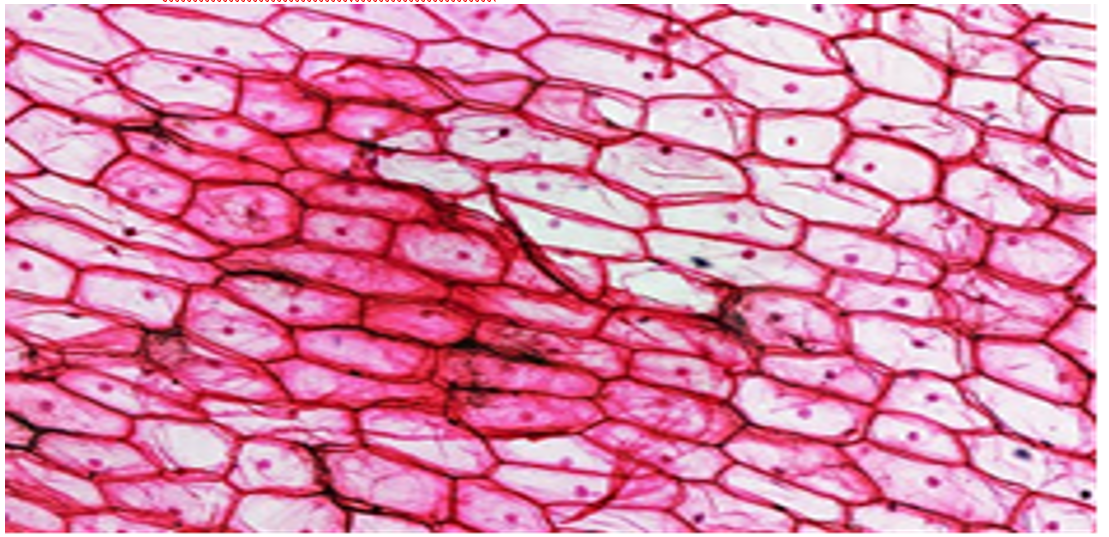
This research work is concerned with Exploring the Potential of Zobo (Hibiscus sabdariffa), Henna (Lawsonia inermis) and Teak (Tectona grandis) as Natural plant dyes as a sustainable alternative to Synthetic dyes in teaching and learning practical Biology in Kogi State College of Education, Ankpa. Experimental and survey design was used. Three basic research questions were formulated and answered for the purpose of this research work. The population of the study comprises of all the academic staff of Biology Education department making a total of 14 respondents. Extract from the plants were used for the experiment and questionnaire was used to test the perception of lecturers on the use of plant based dye for practical Biology instructions. Data analyzed showed that that extracts can be used as a dye in place of synthetic dyes. Synthetic dye stains faster than the plants extracts when compared. The knowledge of using plant based dyes as an alternative to synthetic dye is limited as it has never been used in conducting plant histological practical in the department. It was recommended that the plant extracts should be used as a dye in place of synthetic dyes and experiment with different extraction methods to maximize colour yield and minimize waste should be carried out.
References
Abdullahi, M. N., Musa, A. Y., & Ibrahim, A. A. (2022). Natural dyes in histopathology: An eco-friendly approach. Journal of Biological Research, 35(2), 55–63. https://doi.org/10.1016/j.jbr.2022.05.003
Ajayi, T. O. (2020). Anthocyanins from Hibiscus sabdariffa as potential histological dyes. Plant Science Education Review, 8(3), 112–119.
Alam, M. N., & Rahman, M. S. (2021). Application of turmeric dye in biological staining. Asian Journal of Plant Science and Research, 11(4), 21–28.
Alhassan, A. J., Muhammad, A., & Ibrahim, S. (2022). Hibiscus sabdariffa L.: Phytochemistry, pharmacological activities, and health benefits. Frontiers in Nutrition, 9, 932514.
Cordon, D. (2016). "Natural Dyes, Our Global Heritage of Colours”. Textile Society of America Symposium Proceedings, 12 .Lincoln, Nebraska.
Daberao, A. M. (2016). Cotton Dying with Natural Dye. International Journal of Research and Scientific Innovation, 3(8): 157-161.
Egbuonu, A. C. C., &Nwafor, O. E. (2020). Comparative study of natural and synthetic dyes for biological staining. African Journal of Biology and Education, 12(2), 77–86.
Forest Research Institute. (2022). Conservation and sustainable utilization of Tectonabrandisii. FRI Technical Bulletin.
Gupta, A., Sharma, V., & Kumar, P. (2023). Therapeutic and cosmetic potential of Lawsoniainermis: A comprehensive review. Plants, 12(4), 855.
Hastuti, P., &Haryatmi, D. (2021). EfektivitasRendamanDaunJati (TectonagrandisLinn.f) DalamMewarnai Stadium TelurParasit STH (Soil Transmitted Helminth). JurnalFarmasi (Journal of Pharmacy), 10(2), 42.
Ihuma, J., Asenge, G., Abioye, K. and Dick, S. (2017). “Application of Methanolic Extracts from Hibiscus Sabdariffa line As a Biological Staining Agent for Some Fungal Species.” International. Journal of Plant, Animal & Environmental Science. 2(3): 543-549.
Kadam, P. V., &Salunkhe, V. R. (2019). Eco-friendly staining using henna extract in botanical studies. International Journal of Botany Studies, 4(6), 65–71.
Kannan, R., & Suresh, S. (2021). Plant-derived anthocyanins as alternatives to synthetic dyes in microscopy. Journal of Natural Products and Resources, 17(1), 43–51.
Khalid, S., Khan, N., &Shahid, M. (2022). Lawsoniainermis (henna): Phytochemistry, pharmacological activities, and industrial applications. Journal of Ethnopharmacology, 293, 115365.
Mohammed, R. A., Bello, I., & Musa, A. (2023). Functional and therapeutic applications of Hibiscus sabdariffa in modern medicine. Journal of Food Biochemistry, 47(1), e14329.
Moses, E. O., &Bassey, E. U. (2021). Phytochemical constituents and staining properties of onion skin extract. Journal of Applied Biology, 29(2), 134–142.
Nirmal, N., Das, A., & Roy, S. (2021). Timber yield, growth dynamics, and conservation status of Tectonabrandisii in tropical forests. Journal of Forestry Research, 32(6), 2415–2426.
Ogunlana, S. A., &Okonkwo, E. O. (2021). Turmeric as a viable stain in botanical microtechnique. African Journal of Educational Science, 14(1), 89–101.
Okafor, C. N., &Adeoye, A. A. (2020). Classroom adoption of natural dyes for histology education. Nigerian Journal of Science and Education, 18(1), 54–63.
Salomi, S. S., Nathan, I. D., Sani, H. G., Joseph, V. Z., Zainab, M. G., & Sunday, J. M. (2024). Buccal cell staining effect of Lawsonia inermis aqueous leaf extract. FUDMA Journal of Sciences, 8(6), 239–241. https://doi.org/10.33003/fjs-2024-0806-2897
Sanjeeda I &Taiyaba A.N. (2014). Natural Dyes: Their Sources and Eco-friendly Use as Textile Materials. Journal of Environmental Research and Development, 8(3), 683- 687
Saxena S & Raja A.S.M. (2014). Natural Dyes: Sources, Chemistry, Application and Sustainability Issues. In S. Muthu (Ed.), Textiles Science and Clothing Technology (pp. 37-80). India: Central Institute for Research on Cotton Technology.
Sharma, P., & Gupta, R. (2022). Sustainability in biological laboratories: Role of natural stains. International Journal of Green Education, 9(2), 101–114.
Singh, S., &Verma, A. (2020). Curcumin-based natural dyes as eco-friendly alternatives. Journal of Ethnopharmacology, 258, 112–118.
Yusuf, K. A., & Bello, A. M. (2022). Evaluation of Lawsoniainermis extracts for histological staining. West African Journal of Plant Science, 10(3), 201–210.
Downloads
Published
Issue
Section
Categories
License
Copyright (c) 2026 Adobu Ugbede Shadrach, Abuh Leonard Omachoko, Ikani Joy Eleojo, Obasa Oluwakemi Elizabeth, Emmanuel Julius, Omale Samson Friday, Echiye John, James Ojochenemi Hope

This work is licensed under a Creative Commons Attribution 4.0 International License.