
INCIDENCE AND PREDICTORS OF HYPOCALCAEMIA AMONG PREGNANT AND POSTPARTUM WOMEN ATTENDING SELECTED HOSPITALS IN KANO METROPOLIS, NIGERIA
DOI:
https://doi.org/10.33003/fjs-2026-1004-4929Keywords:
Hypocalcaemia, pregnancy, maternal nutrition, calcium intake, antenatal careAbstract
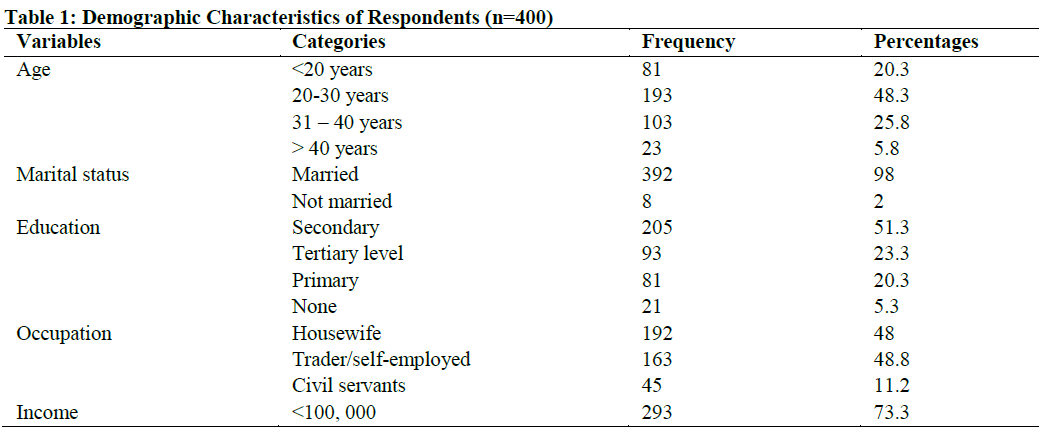
Hypocalcaemia during pregnancy is a significant public health concern in many developing countries and is associated with adverse maternal and fetal outcomes. This study assessed the incidence and predictors of hypocalcaemia among pregnant women attending antenatal care in some selected hospital in Kano Metropolis, Nigeria. A cross-sectional study design was adopted involving 400 women recruited from antenatal clinics. Data were collected using structured questionnaires covering socio-demographic characteristics, obstetric history, dietary practices, and clinical symptoms related to calcium deficiency. Descriptive statistics, chi-square tests, and logistic regression analysis were used to identify predictors of hypocalcaemia. The majority of respondents were aged 20–30 years (48.3%), and most attended antenatal care during the second trimester (55.2%). Clinical manifestations commonly associated with calcium deficiency were widely reported, including headache (53.5%), vomiting (47.0%), muscle cramps (42.3%), and dizziness (40.5%). Although dietary diversity among respondents was relatively high, the intake of calcium-rich foods such as milk and dairy products was inconsistent. Chi-square analysis showed no statistically significant association between hypocalcaemia and most socio-demographic variables, although occupation, calcium supplement use, and milk consumption showed marginal associations. Logistic regression analysis further indicated that none of the variables independently predicted hypocalcaemia at the 5% level of significance. The findings suggest that maternal hypocalcaemia in the study population may be primarily influenced by inadequate dietary calcium intake rather than demographic factors. Strengthening maternal nutrition education and improving access to calcium-rich foods and antenatal supplementation programs are therefore recommended.
References
Ajong, A. B., Kenfack, B., Ngoufack, M. N., and Essiben, F. (2022). Serum calcium status and its determinants among pregnant women in sub-Saharan Africa: A hospital-based cross-sectional study. BMC Pregnancy and Childbirth, 22(1), 134. https://doi.org/10.1186/s12884-022-04567-1
Ajong, A. B., Nembulefac, G. N., Tchokoteu, P. F., and Mbah, P. (2020). Low serum calcium and pregnancy complications among Cameroonian women: A cross-sectional survey. Journal of Obstetrics and Gynaecology, 40(5), 689–696. https://doi.org/10.1080/01443615.2020.1715607
Bako, H. Y., Bello, M., & Lawal, R. (2021). Nutritional calcium intake and serum levels among women of reproductive age in northern Nigeria. Nigerian Journal of Nutritional Sciences, 42(2), 115–124.
Dwarkanath, P., Thomas, T., & Kurpad, A. V. (2024). Calcium intake and supplementation adherence among pregnant women in low-resource settings. Maternal & Child Nutrition, 20(1), e13954. https://doi.org/10.1111/mcn.13954
FAO. (2019). Food and nutrition profile: Nigeria. Rome: Food and Agriculture Organization of the United Nations.
FAO. (2019). The State of Food Security and Nutrition in the World. FAO.
Gebreyohannes, E. A., Tadesse, S. E., & Berhe, A. K. (2021). Determinants of calcium intake and hypocalcaemia among Ethiopian pregnant women. International Journal of Nutrition and Metabolism, 13(2), 55–66. https://doi.org/10.5897/IJNAM2021.0315
Hofmeyr, G. J., Lawrie, T. A., Atallah, Á. N., and Duley, L. (2019). Calcium supplementation during pregnancy for preventing hypertensive disorders and related problems. Cochrane Database of Systematic Reviews, (10), CD001059.
Hofmeyr, G. J., Lawrie, T. A., Atallah, A. N., and Torloni, M. R. (2014). Calcium supplementation during pregnancy for preventing hypertensive disorders. Cochrane Database of Systematic Reviews.
Hofmeyr, G. J., Manyame, S., and Medley, N. (2019). Calcium supplementation during pregnancy for preventing hypertensive disorders and related problems. Cochrane Database of Systematic Reviews, 2019(10), CD001059. https://doi.org/10.1002/14651858.CD001059.pub6 317–324.
Kirkwood, B. R., and Sterne, J. A. C. (2020). Essential medical statistics (3rd ed.). Wiley-Blackwell.
Mlay, M., Joseph, L., and Msuya, S. (2025). Serum calcium deficiency and pregnancy outcomes in Tanzania: A cross-sectional hospital-based study. African Journal of Reproductive Health, 29(1), 74–86. https://doi.org/10.29063/ajrh2025/v29i1.8
Morales-Suárez-Varela, M. M., Peraita-Costa, I., and Llopis-González, A. (2022). Vitamin D and calcium status among pregnant women and newborns: A systematic review. Nutrients, 14(4), 870. https://doi.org/10.3390/nu14040870
National Population Commission (NPC). (2021). Nigeria Demographic and Health Survey. Abuja: NPC and ICF.
National Population Commission. (2019). Nigeria Demographic and Health Survey.
Okedo-Alex, I., (2019). Determinants of antenatal care utilization in Nigeria. BMC Pregnancy and Childbirth.
Olatona, F. A., (2018). Dietary intake and micronutrient adequacy among pregnant women in Nigeria. African Journal of Food Science.
Prentice, A. (2013). Calcium in pregnancy and lactation. Annual Review of Nutrition.
World Health Organization (WHO). (2018). WHO recommendations on antenatal care for a positive pregnancy experience. Geneva: World Health Organization.
World Health Organization (WHO). (2019). Recommendations on antenatal care for a positive pregnancy experience. Geneva: WHO.
Downloads
Published
Issue
Section
Categories
License
Copyright (c) 2026 Lawan Yusuf Sufyanu, Aminu Idi, Zakiyya Ali Baba, Harisu Saleh, Auwal Magaji Sa’eedu, Abdulmalik Rabiu Musa, Aisha Idris Ali, Safiya Yakubu

This work is licensed under a Creative Commons Attribution 4.0 International License.


