
ISOLATION AND THERAPEUTIC STUDIES OF ESSENTIAL OIL FROM THE LEAF OF ANNONA MURICATA (SOURSOP) FROM GIREI LOCAL GOVERNMENT AREA, ADAMAWA STATE, NIGERIA
DOI:
https://doi.org/10.33003/fjs-2026-1002-4625Keywords:
Annona muricate, Essential oil, Antioxidant activity, DPPH assay, Antibacterial activity, Gram-positive bacteria, Gram-negative bacteriaAbstract
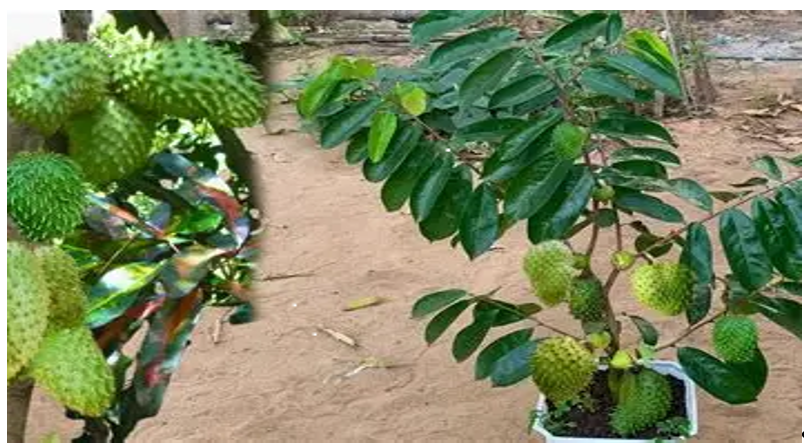
Annona muricata (Annonaceae) is a fruit-bearing evergreen tree traditionally used in tropical medicine. Commonly known as soursop, graviola, or guanabana, it is widely distributed in tropical and subtropical regions, where its extracts are used for managing ailments such as fever, diabetes, and cancer. Fresh leaves of A. muricata were subjected to modified steam distillation to obtain the essential oil, which was analyzed using gas chromatography–mass spectrometry (GC–MS). GC–MS analysis revealed thirty-six compounds, accounting for 99.96% of the total oil composition. The major constituents were dehydro-aromadendrene (14.83%), caryophyllene (9.45%), γ-muurolene (7.49%), alloaromadendrene (7.32%), naphthalene, 1,2,3,5,6,8a-hexahydro-4,7-dimethyl-1-(1-methylethyl)-(1S-cis)- (7.17%), isolongifolene, 9,10-dehydro- (5.17%), bicyclo[7.2.0]undec-4-ene, 4,11,11-trimethyl-8-methylene-[1R-(1R*,4Z,9S*)]- (4.20%), 1H-benzocycloheptene, 2,4a,5,6,7,8-hexahydro-3,5,5,9-tetramethyl-(R)- (4.17%), tricosane (4.32%), cyclononasiloxane, octadecamethyl- (3.90%), α-muurolene (3.76%), cis-muurola-3,5-diene (3.08%), and aromadendrene (3.07%). The antioxidant activity assessed using the DPPH assay showed moderate free radical scavenging activity, with an IC₅₀ value of 54.18 µL/mL and percentage inhibition ranging from 50.67% to 57.27%. Antibacterial assays indicated moderate activity against both Gram-positive and Gram-negative bacteria, with Staphylococcus epidermidis showing the highest inhibition zone (10 mm), followed by Escherichia coli and Salmonella typhimurium (9 mm), and Staphylococcus aureus (8 mm). Proteus vulgaris was resistant to the oil. Overall, these findings provide preliminary evidence of antioxidant and antibacterial properties of A. muricata leaf essential oil, partially supporting its traditional use. Further toxicity, mechanistic, and in vivo studies are required to validate its therapeutic potential.
References
Adewole, S. O., & Caxton-Martins, E. A. (2006). Morphological changes and hypoglycemic effects of Annona muricata leaf aqueous extract on pancreatic β-cells of streptozotocin-treated diabetic rats. African Journal of Biomedical Research, 9(3), 173–187.
Amorati, R., Foti, M. C., & Valgimigli, L. (2013). Antioxidant activity of essential oils. Journal of Agricultural and Food Chemistry, 61(46), 10835–10847.
Anbudhasan, P., Surendraraj, A., Karkuzhali, S., & Sathishkumaran, S. (2014). [Title not provided]. International Journal of Food and Nutritional Sciences, 3(6), 225–232.
Andrew, E., Dimas, K., & Galo, Y. S. (2019). Phytochemical screening and microcidal activity of the ethanolic and aqueous extracts of Annona muricata against some pathogenic bacteria. South Asian Research Journal of Natural Products, 2(2), 1–6.
Atanasov, A. G., Waltenberger, B., Pferschy-Wenzig, E. M., Linder, T., Wawrosch, C., Uhrin, P., & Stuppner, H. (2015). Discovery and resupply of pharmacologically active plant-derived natural products: A review. Biotechnology Advances, 33(8), 1582–1614. https://doi.org/10.1016/j.biotechadv.2015.08.001
Cheong, K. W., Tan, C. P., Mirhosseini, H., Hamid, N. S. A., Osman, A., & Basri, M. (2010). Equilibrium headspace analysis of volatile flavor compounds extracted from Annona muricata using solid-phase microextraction. Food Research International, 43(5), 1267–1276.
Coria-Téllez, A. V., Montalvo-González, E., Yahia, E. M., & Obledo-Vázquez, E. N. (2018). Annona muricata: A comprehensive review on its traditional medicinal uses, phytochemicals, pharmacological activities, mechanisms of action and toxicity. Arabian Journal of Chemistry, 11(5), 662–691. https://doi.org/10.1016/j.arabjc.2016.01.004
Costa, E. V., Pinheiro, M. L. B., Silva, J. R. A., Maia, B. H. L. N. S., Duarte, M. C. T., Amaral, A. C. F., Machado, G. M. C., & Leon, L. L. (2009). Antimicrobial and antileishmanial activity of essential oil from leaves of Annona foetida (Annonaceae). Química Nova, 32, 78–81.
Dhakad, A. K., Pandey, V. V., Beg, S., Rawat, J. M., & Singh, A. (2018). Biological, medicinal and toxicological significance of eucalyptus leaf essential oil: A review. Journal of the Science of Food and Agriculture, 98(3), 833–848.
Edeoga, H. O., Okwu, D. E., & Mbaebie, B. O. (2005). Phytochemical constituents of some Nigerian medicinal plants. African Journal of Biotechnology, 4(7), 685–688.
Elshafie, H. S., & Camele, I. (2017). An overview of the biological effects of some Mediterranean essential oils on human health. BioMed Research International, 2017, Article 9268468. https://doi.org/10.1155/2017/9268468
Haron, N., Bunnori, N. M., Md Zin, N. H., Abdul Wahab, W., & Abdul Halim, K. B. (2020). Quantification of total phenolics content and their antioxidant scavenging capacity in selected herbs extract. IIUM Medical Journal Malaysia, 15(1). https://doi.org/10.31436/imjm.v15i1.1382
Harvey, A. L. (2008). Natural products in drug discovery. Drug Discovery Today, 13(19–20), 894–901. https://doi.org/10.1016/j.drudis.2008.07.004
Hussain, A. I., Anwar, F., Sherazi, S. T. H., & Przybylski, R. (2008). Chemical composition, antioxidant and antimicrobial activities of basil (Ocimum basilicum) essential oils depending on seasonal variations. Food Chemistry, 108(3), 986–995.
Kubmarawa, D., Kidah, M. I., & Shagal, M. H. (2016). Antimicrobial activities of essential oils from some medicinal and aromatic plants. British Biotechnology Journal, 14(3), 1–6.
Miguel, M. G. (2010). Antioxidant and anti-inflammatory activities of essential oils: A short review. Molecules, 15(12), 9252–9287. https://doi.org/10.3390/molecules15129252
Moghadamtousi, S. Z., Fadaeinasab, M., Nikzad, S., Mohan, G., Ali, H. M., & Kadir, H. A. (2015). Annona muricata: A review of its traditional uses, isolated acetogenins and biological activities. International Journal of Molecular Sciences, 16(7), 15625–15658.
Nazzaro, F., Fratianni, F., De Martino, L., Coppola, R., & De Feo, V. (2013). Effect of essential oils on pathogenic bacteria. Pharmaceuticals, 6(12), 1451–1474. https://doi.org/10.3390/ph6121451.
Ololade, Z. S., Fakankun, O. A., Alao, F. O., & Ajewole, O. O. (2016). Free radical scavenging, antioxidant and antibacterial activities of the fruit-pulp essential oil of Annona muricata and its phytochemical composition. International Journal of Applied Research and Technology, 5(2), 47–52.
Palaksha, M. N., Ahmed, M., & Das, S. (2010). Antibacterial activity of garlic extract on streptomycin-resistant Staphylococcus aureus and Escherichia coli solely and in synergism with streptomycin. Journal of Natural Science, Biology and Medicine, 1(1), 12–15.
Radji, M., Kurniati, M., & Kiranasari, A. (2015). Comparative antimycobacterial activity of some Indonesian medicinal plants against multidrug-resistant Mycobacterium tuberculosis. Journal of Applied Pharmaceutical Science, 5(1), 019–022. https://doi.org/10.7324/JAPS.2015.50104
Rubiolo, P., Sgorbini, B., Liberto, E., Cordero, C., & Bicchi, C. (2010). Essential oils and volatiles: Sample preparation and analysis. A review. Flavour and Fragrance Journal, 25(5), 282–290. https://doi.org/10.1002/ffj.1984
Santos, F. A., & Rao, V. S. (2000). Anti-inflammatory and antinociceptive effects of 1,8-cineole, a terpenoid oxide present in many plant essential oils. Phytotherapy Research, 14, 240–244.
Santos, F. A., & Rao, V. S. (2002). Possible role of mast cells in cineole-induced scratching behavior in mice. Food and Chemical Toxicology, 40, 1453–1457.
Veeresham, C. (2012). Natural products derived from plants as a source of drugs. Journal of Advanced Pharmaceutical Technology & Research, 3(4), 200–201. https://doi.org/10.4103/2231-4040.104709
Viljoen, A. M., Subramoney, S., Van Vuuren, S. F., Başer, K. H. C., & Demirci, B. (2005). Composition, geographical variation and antimicrobial activity of Lippia javanica leaf essential oils. Journal of Ethnopharmacology, 96(1–2), 271–277.
Wele, A. I., Ndoye, A., & Badiane, M. (2004). Fatty acid and essential oil compositions of the seed oil of five Annona species. Nigerian Journal of Natural Products and Medicine, 8(1), 62–65.
Yuan, G. F., Wahlqvist, M. L., He, G. Q., Yang, M., & Li, D. (2006). Natural products and anti-inflammatory activity. Asia Pacific Journal of Clinical Nutrition, 15(2), 143–152.
Downloads
Published
Issue
Section
Categories
License
Copyright (c) 2026 Andrew Bati Emmanuel, Yahaya Galo Sara, Maryam Bappa Maigari

This work is licensed under a Creative Commons Attribution 4.0 International License.


