
ANALYSIS OF THE BIODEGRADATION OF POLYETHYLENE BY BACTERIA ISOLATED FROM DUMP SITES AT HANWA, ZARIA, KADUNA STATE
DOI:
https://doi.org/10.33003/fjs-2025-0911-3660Keywords:
Polyethylene biodegradation, Plastic-degrading bacteria, Pseudomonas aeruginosa, Environmental bioremediation, Biofilm formationAbstract
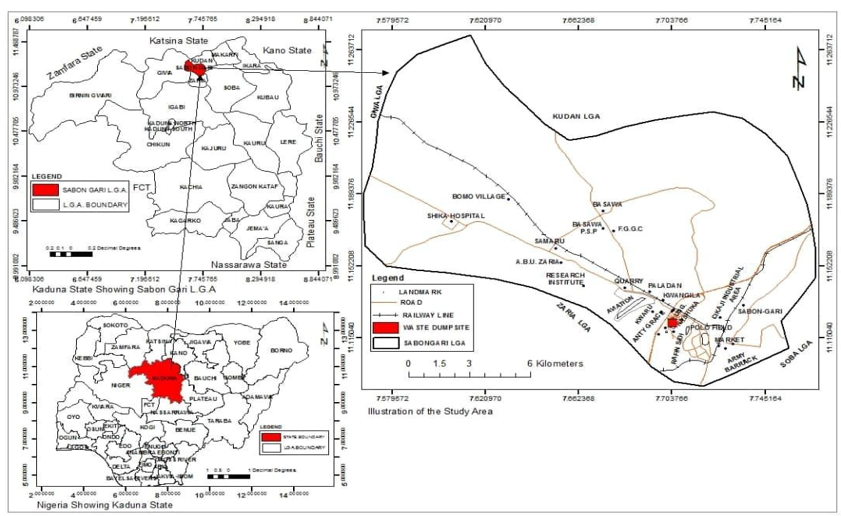
Polyethylene (PE) is among the most commonly used synthetic plastics, yet it poses a serious environmental challenge due to its resistance to natural degradation. This study was carried out to examine the ability of two indigenous bacterial strains—Pseudomonas aeruginosa and Klebsiella quasipneumoniae—isolated from soil samples collected at dumpsites in Hanwa, Zaria, Kaduna State, Nigeria, to degrade polyethylene under laboratory conditions. The bacteria were identified through morphological and biochemical methods, as well as molecular techniques using 16S rRNA gene sequencing. Biodegradation was assessed over a 21-day period by measuring the weight loss of polyethylene at different temperatures (37°C, 45°C, and 50°C), pH levels (6.0, 7.0, and 8.0), and polyethylene concentrations (0.2 g, 0.4 g, and 0.6 g). The results showed that Pseudomonas aeruginosa achieved a maximum degradation of 53.3%, while Klebsiella quasipneumoniae followed closely with 41.7%. Biofilm formation and increased turbidity were also observed, indicating active microbial metabolism. These findings suggest that native bacteria from waste-polluted environments have promising potential for use in the bioremediation of polyethylene waste, especially when environmental conditions are optimized.
Downloads
Published
Issue
Section
Categories
License
Copyright (c) 2025 Dr. AI Alhaji, Prof. J. Appah, Dr. Habiba I Atta, Aishat Muhammed Naibi, Gospel Mulade

This work is licensed under a Creative Commons Attribution 4.0 International License.


